
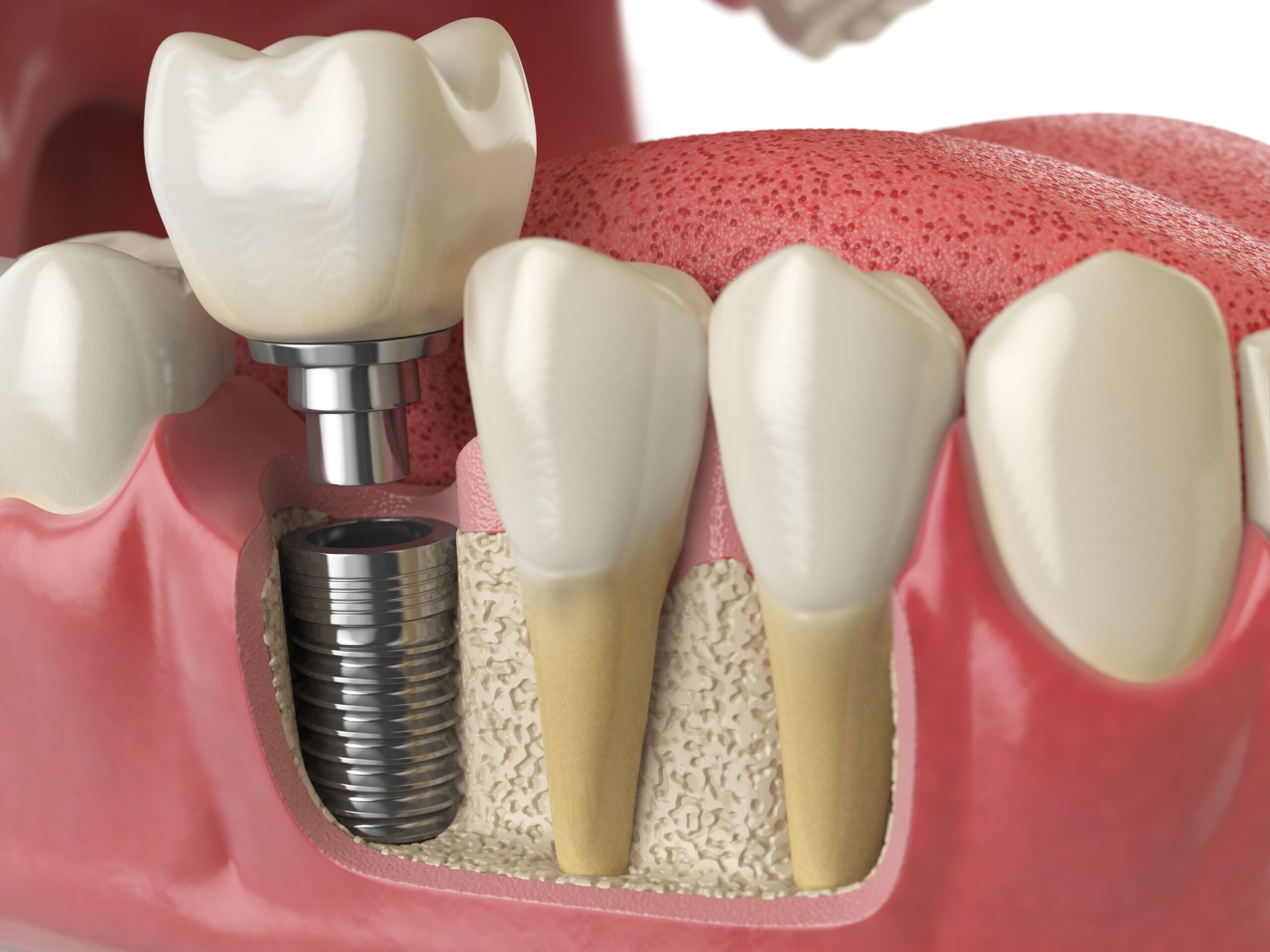
Implants are among the most dependable methods to replace missing teeth. They restore function, improve appearance, and help protect long-term oral health. However, like your natural teeth, they require consistent care to stay healthy. With the right routine, you can prolong their lifespan and keep a confident smile. So, how do you keep your implanted tooth in excellent condition? Keep reading to find out all the details.
Top Tips to Maintain Your Implants in Top Shape
Implants are crafted to resemble and perform like real teeth. Still, they are vulnerable to issues such as gum disease or poor healing if neglected. Proper oral care ensures they integrate well with your jawbone, remain stable, and continue performing at their best. Therefore, here are the steps you need to take:
Daily Oral Hygiene for Implants
Caring for your dental implants starts with a daily routine that mirrors the care of natural teeth.
- Brush twice daily: Use a soft-bristle toothbrush to avoid damaging the gum line.
- Floss daily: Choose implant-safe floss or interdental brushes to clean hard-to-reach areas.
- Use antimicrobial rinses: These reduce bacteria that can lead to gum infections around implants.
- Clean your tongue: Getting rid of bacteria on the tongue reduces the risk of oral inflammation.
Consistency is key. A routine prevents plaque buildup and helps your implants remain healthy.
Professional Cleanings and Checkups
Going to the dentist regularly is just as crucial as taking care of your teeth at home. Your dentist can:
- Inspect the condition of your implants and surrounding gums.
- Remove plaque or tartar you may have missed.
- Identify early signs of infection or implant complications.
It’s a good idea to schedule checkups every six months, but some patients might need to come in more often. Choosing our dental implants in Austin means opting for expert care, precision treatment, and long-lasting results that enhance both your health and your smile. With our dental implants in Austin, you’ll receive expert care, precise treatment, and long-lasting results that help maintain both your oral health and a confident smile.
Nutrition and Lifestyle Habits
Healthy habits go a long way in supporting implant longevity.
- Eat balanced meals: Calcium and vitamin D strengthen your jawbone and help support implant stability.
- Limit sugary foods: Excess sugar encourages bacteria that can harm gums.
- Stay hydrated: Water rinses away debris and keeps your mouth moist.
- Avoid smoking: Smoking slows healing and increases implant failure risks.
By choosing supportive habits, you protect both your implants and natural teeth.
Special Care After the Implant Surgery
Immediately after implant placement, follow your dentist’s instructions carefully.
- Stick to soft foods for the first few days.
- Avoid using straws, which can disturb healing.
- Keep the area clean with gentle rinses.
- Rest and avoid strenuous activities.
Following these steps ensures proper healing and helps your implant fuse successfully with the bone.
Common Issues to Watch For
Even with excellent care, certain problems may develop. Contact your dental practitioner if you notice:
- Swelling, bleeding, or persistent discomfort near the implant.
- Difficulty chewing or changes in bite alignment.
- Loosening of the implant or surrounding crown.
Early treatment prevents small issues from turning into serious complications.
FAQs About Implant Maintenance
How do I clean dental implants at home?
Clean implants are just like natural teeth. Brush twice daily with a soft-bristled brush, floss with implant-safe floss or interdental brushes, and use an antimicrobial rinse. Staying consistent prevents plaque buildup and protects the gums surrounding your implants.
Can dental implants get cavities?
Implants themselves cannot get cavities since they are made of titanium. However, the surrounding gums and natural teeth are still at risk of infection or decay. Good oral hygiene and regular checkups are essential to protect your mouth’s overall health.
How frequently should I see the dentist after getting implants?
Most patients should visit every six months for checkups and professional cleanings. Your dentist may recommend more frequent visits in the first year after surgery to ensure proper healing and integration. Regular visits help detect early signs of gum disease or implant issues.
What foods should I avoid with dental implants?
Immediately after surgery, avoid hard, sticky, or chewy foods that can disturb healing. In the long term, limit excessive sugary foods, which promote bacteria. Healthy choices like calcium-rich foods, lean proteins, and vegetables support bone and gum health around implants.
Get a Long-Lasting Solution for Missing Teeth
Dental implants transform smiles, but they rely on consistent care for long-term success. By brushing, flossing, eating a balanced diet, and visiting your dentist regularly, you ensure they remain strong and functional.
At Legend Dental & Orthodontics, our team is committed to guiding you through every step of your implant journey, from placement to lifelong maintenance. Schedule your appointment today to protect your investment and enjoy a healthier smile for years to come.