
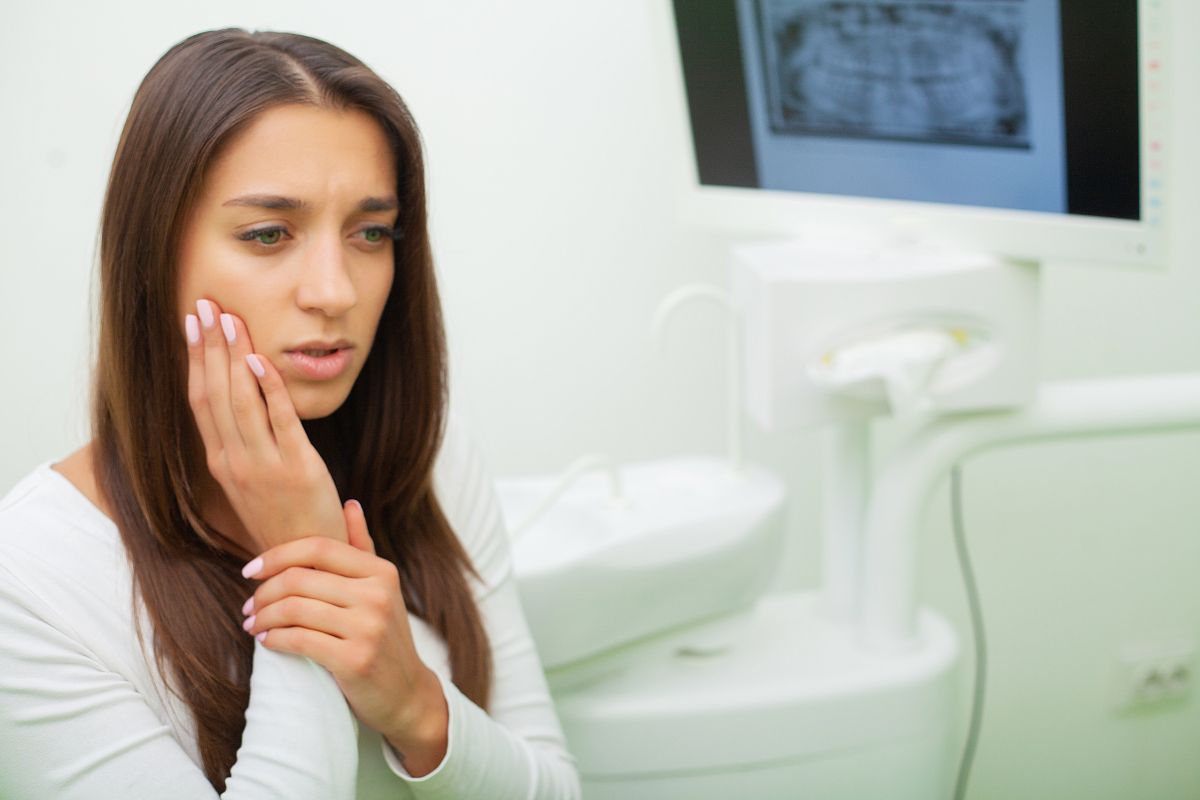
Stress is something almost everyone experiences at some point in life. Whether it comes from work, school, family responsibilities, or unexpected life changes, stress can affect both physical and mental well-being. What many people may not realize, however, is that stress can also significantly impact oral health. If you have been noticing jaw soreness, increased tooth sensitivity, bleeding gums, or mouth sores, your body may be sending you a signal. The link between stress and dental health is well-established, and understanding it is the first step toward protecting your smile.
At Legend Dental & Orthodontics, Dr. Hassler and our trusted team are here to help you get ahead of stress-related dental issues before they become larger problems. Schedule your appointment today and give your smile the attention it deserves.
The Connection Between Stress and Oral Health
When the body experiences stress, it responds by releasing hormones such as cortisol and adrenaline. While these hormones are designed to help the body react to challenging situations, long-term stress can weaken the immune system and contribute to inflammation throughout the body, including the gums and oral tissues.
Stress can also influence daily habits. Some individuals may neglect oral hygiene routines, eat more sugary foods, or develop behaviors like teeth grinding without even noticing. Over time, these changes can increase the risk of oral health complications. Our professional dentist in Austin can help identify early signs of stress-related dental concerns, provide personalized guidance to protect your oral health, and support you with preventive care to keep your smile healthy and strong.
5 Ways Stress Can Damage Your Dental Health
1. Teeth Grinding and Jaw Clenching (Bruxism)
This is one of the most common stress-related dental conditions. Many people grind their teeth at night without knowing it. You might wake up with jaw pain, headaches, or worn-down tooth surfaces. Over time, bruxism can crack teeth, damage fillings, and lead to painful TMJ (temporomandibular joint) disorders.
Signs to watch for:
- Waking up with a sore jaw or facial pain
- Frequent morning headaches
- Teeth that look flat or chipped at the edges
- Increased tooth sensitivity
2. Gum Disease
High cortisol levels suppress the immune system, which makes your gums more vulnerable to bacteria. When your defenses are down, plaque builds up faster, and inflammation spreads more easily into the gum tissue. This can progress from mild gingivitis to serious periodontal disease if left untreated.
Research shows that people under chronic stress are more likely to develop gum disease than those who manage stress effectively. Your oral health depends heavily on a strong immune response, and stress directly interferes with that.
3. Dry Mouth
Stress triggers the “fight or flight” response in your body, which slows down saliva production. Saliva is your mouth’s natural defense system. It washes away bacteria, neutralizes acids, and helps remineralize your enamel. Without enough of it, bacteria thrive, and your risk of cavities goes up sharply.
Certain medications used to manage anxiety and depression can also cause dry mouth as a side effect, adding another layer of risk.
4. Canker Sores and Mouth Ulcers
Canker sores are small, painful ulcers that form inside the mouth. While they are not contagious, they are strongly associated with stress, tissue irritation, and immune suppression. Most heal on their own, but frequent outbreaks can be a sign that your body is under significant pressure.
5. Poor Oral Hygiene Habits
When people are stressed, they often skip self-care. Brushing gets rushed, and flossing gets skipped. Dental appointments get pushed back. These habits compound quickly, like a missed cleaning here, a skipped floss there, and soon you are dealing with cavities, tartar buildup, and gum inflammation that could have been prevented.
Protecting Your Smile During Stressful Times
You cannot always eliminate stress from your life, but you can protect your teeth while you manage it. Here are practical steps that make a real difference:
Maintain a Consistent Oral Hygiene Routine
- Brush for two full minutes, twice a day, using fluoride toothpaste
- Floss once daily, as it removes bacteria that your toothbrush cannot reach
- Use a mouthwash to help control bacteria between brushing
Wear a Night Guard If You Grind Your Teeth
If your dentist notices signs of bruxism, a custom-fitted night guard can protect your teeth from grinding damage while you sleep. It is one of the most straightforward ways to preserve your tooth structure during stressful periods.
Stay Hydrated and Watch Your Diet
Drink plenty of water throughout the day to combat dry mouth. Limit sugary drinks, coffee, and acidic foods that feed bacteria and erode enamel. A diet rich in leafy greens, lean proteins, and dairy supports both your immune system and your teeth.
Do Not Skip Dental Appointments
Routine checkups are even more important when you are under stress. Your dentist can catch early signs of bruxism, gum disease, and decay before they escalate. Consider your twice-yearly visit as preventive maintenance for your smile.
When to See a Dentist Right Away
Some stress-related symptoms need prompt attention. Contact your dentist if you notice:
- Jaw pain or locking of the jaw
- Persistent tooth pain or sensitivity
- Gums that bleed regularly when you brush
- Loose teeth or significant gum recession
- Mouth sores that do not heal within two weeks
Waiting too long to address these symptoms can turn a manageable issue into a complex one. Proper Dental care in Austin is most effective when you act early.
Relieve Stress and Restore Your Dental Health in Austin, TX
Your oral health is closely connected to your overall well-being, and stress can quietly affect your smile in ways you may not immediately notice. At Legend Dental & Orthodontics, Dr. Hassler and the team provide comprehensive, compassionate dental care in Austin for every stage of life. We take the time to understand your concerns and help you build a healthier, stronger smile, even when life feels overwhelming.
Visit our dental office in Austin and take the first step toward better oral health today. We are conveniently located at 2525 West Anderson Lane, Building 3, Suite 300, Austin, TX 78757. So, why wait? Contact us today and take the first step toward protecting your smile from the effects of stress.
Frequently Asked Questions (FAQs)
1. Can Stress Really Cause Tooth Pain?
Yes. Stress-related teeth grinding puts enormous pressure on your teeth and jaw, which can lead to soreness, sensitivity, and even cracked teeth. A professional evaluation can identify the cause and recommend the right treatment.
2. Why Does My Mouth Feel So Dry When I Am Stressed?
Stress activates your body’s fight-or-flight response, which reduces saliva flow. Dry mouth creates an environment where bacteria multiply quickly. Staying hydrated and scheduling a dental visit can help manage this.
3. How Often Should I See A Dentist If I Am Under A Lot Of Stress?
Twice a year is the standard recommendation, but high stress levels may warrant more frequent checkups. Your dentist can monitor changes to your teeth and gums and adjust your care plan accordingly.
4. Can Anxiety Medications Affect My Oral Health?
Some medications used for anxiety or depression list dry mouth as a side effect. Dry mouth increases your risk of cavities and gum problems. Mentioning all medications to your dentist helps them provide the most informed care.
5. What Are The Early Signs Of Stress-Related Dental Damage?
Early signs include morning jaw soreness, tooth sensitivity, flat or worn tooth edges, bleeding gums, and recurring mouth sores. Do not wait for symptoms to worsen; a dental visit can catch problems early.
6. How Can A Dentist Help Me Manage Stress-Related Dental Issues?
A dentist can diagnose problems like bruxism and gum disease, create a personalized treatment plan, and provide tools like night guards or fluoride treatments to protect your teeth. Consistent professional care is the most reliable way to stay ahead of stress-related damage