
Dental implants have become the gold standard for replacing missing teeth because they look, feel, and function like the real thing. Yet even the most advanced restorations are not immune to everyday challenges—one of the most common being food lodged beneath the crown or bridge. If you have dental implants in Austin or are considering them, understanding why debris gets trapped, what symptoms to watch for, and how to respond can help you keep your smile healthy for years to come.
Why Food Can Wedge Beneath an Implant
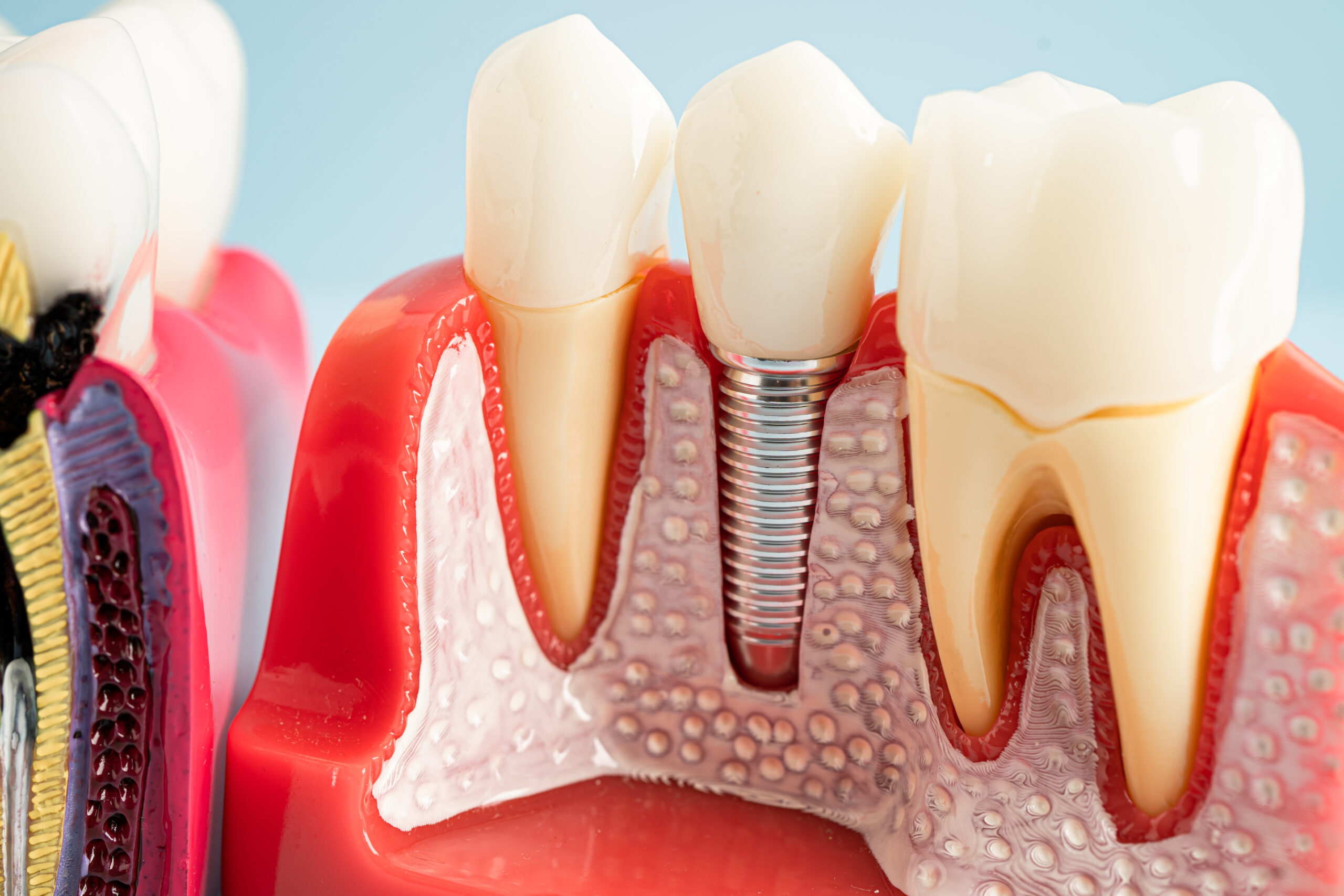
Unlike natural teeth, which emerge from the gum in a tapered shape, an implant crown often meets the soft tissue at a sharper angle. This small architectural difference can create a pocket where seeds, nuts, or fibrous foods settle. Swelling after placement, slight gum recession over time, or a tiny gap between adjacent teeth can also invite stray particles. Knowing how these spaces form helps you stay vigilant about cleaning and professional maintenance.
Early Warning Signs You Shouldn’t Ignore
Because an implant lacks nerves, the discomfort usually stems from irritated gums rather than the implant itself. Common red flags include pressure, a “pepper flake” sensation, or a faint bad taste that lingers after brushing. If you notice mild swelling or light bleeding when flossing, it may be a sign that debris has been sitting longer than it should. With our dental implants in Austin, early care and attention can help prevent discomfort and protect the health of your gums and surrounding teeth.
Potential Consequences of Trapped Food
Healthy gum tissue seals tightly around an implant post, shielding the underlying bone. When food remains trapped, it acts like a tiny sponge for oral bacteria. Within hours, microbial activity can begin to inflame surrounding tissue, leading to peri‑implant mucositis—a reversible irritation similar to gingivitis. Left untreated, inflammation may progress to peri‑implantitis, in which bone loss jeopardizes the implant’s stability. Though such complications are rare, prompt home care and routine exams make them even less likely.
Safe Ways to Dislodge Debris at Home
If you feel something stuck, remain calm and choose gentle techniques:
- Rinse Thoroughly
Swish lukewarm water for thirty seconds to loosen loose fragments. Repeat with an alcohol‑free mouthwash if available. - Use Floss Correctly
Slide unwaxed floss under the crown edge, curve it in a C‑shape, and move it up and down without “sawing.” For bridges, a floss threader can help you reach under the pontic section. - Try an Interdental Brush
Soft, cone‑shaped brushes clean narrow spaces more effectively than toothpicks and minimize the risk of scratching the crown or abutment. - Avoid Sharp Objects
Pins, metal picks, or fingernails can damage the gum seal and scratch porcelain or zirconia surfaces. If gentle cleaning fails, contact your implant dentist rather than forcing the object out.
Preventive Habits for Long‑Term Success
Consistent, thorough hygiene remains the best defense. Spend extra time on the gum line, paying attention to where the crown meets soft tissue. Water flossers can be a valuable supplement, directing a pulsating stream around the implant in spots that regular brushing misses. Scheduling professional cleanings every six months—or more often, if recommended—allows your dental team to polish hard‑to‑reach areas and monitor gum health. These routine visits are especially important for patients with multiple dental implants or systemic conditions that affect healing.
When to Call Your Implant Dentist
Mild irritation usually resolves within a day of careful flossing. However, contact your dentist if you experience persistent discomfort, swelling that worsens, or an unexplained odor despite good home care. Early professional intervention may involve gently lifting the crown edge to flush out trapped debris, adjusting adjacent contacts, or checking the implant with imaging. Timely action preserves both the implant’s integrity and your peace of mind.
Building Confidence Through Patient‑Centered Care
A successful implant journey is built on collaboration. By staying alert to small changes and practicing meticulous daily care, you reinforce the stability of your investment. Your dental team’s role is to provide guidance, answer questions, and intervene when needed—always focusing on your comfort and long‑term wellness. Whether you’ve had implants for years or are exploring dental implants in Austin for the first time, open communication ensures problems are addressed before they escalate.
Take the Next Step Toward a Healthier Smile
Food lodged under an implant can be unsettling, but a calm, informed response keeps your gums healthy and your restoration secure. At Legend Dental & Orthodontics, we encourage you to monitor for warning signs, maintain diligent hygiene, and never hesitate to reach out for expert advice.
Schedule an appointment today to give your implants the attentive care they deserve. Our dental clinic is dedicated to your complete comfort and lasting oral health, and we look forward to helping you enjoy a confident, worry‑free smile.