
Hearing that you need a dental crown can bring up a lot of questions: Will it hurt? How long will it take? Can you eat normally afterward? And what exactly happens while you’re sitting in the dental chair?
If this is your first crown, there’s no need to walk into your appointment wondering what comes next. Understanding the process can make the experience much more comfortable—and help you feel confident about your treatment.
At Legend Dental & Orthodontics Austin, patients receive personalized restorative dental care designed around their oral health, comfort, and goals. Whether a tooth has been weakened by decay, a crack, wear, or a root canal, a dental crown may help restore its strength and appearance.
What Is a Dental Crown?
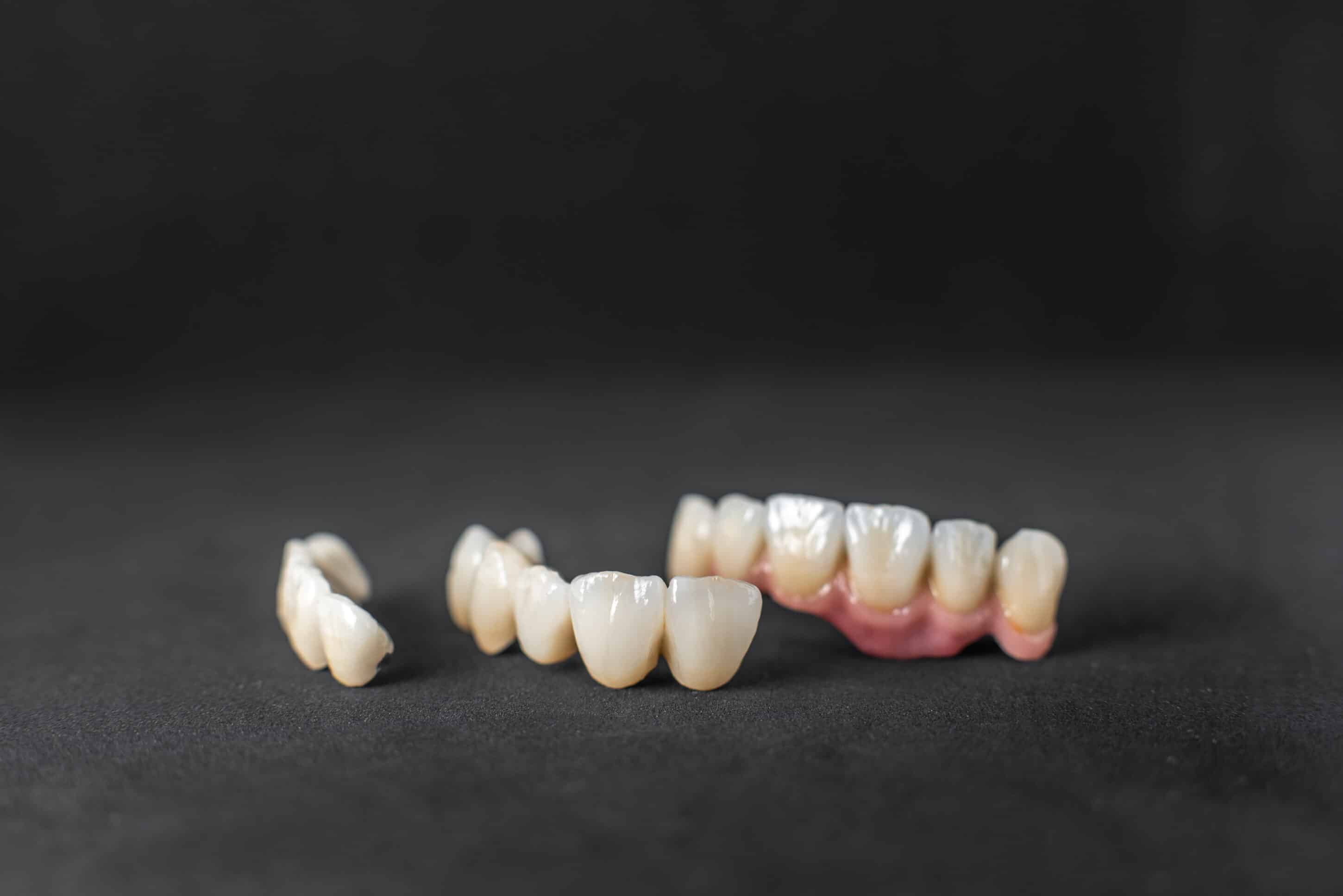
A dental crown is a custom-made restoration that covers the visible portion of a damaged or weakened tooth. Think of it as a protective cap that helps restore the tooth’s shape, function, and appearance.
A dentist may recommend a dental crown when a tooth:
- Has significant decay or damage
- Is too weakened for a regular filling
- Has a large existing restoration
- Has been cracked or fractured
- Needs additional protection after a root canal
- Has become severely worn or misshapen
Legend Dental & Orthodontics explains that crowns can help protect teeth that have been weakened by cavities, significant damage, or root canal treatment.
Why Might You Need a Dental Crown?
Not every damaged tooth needs a crown. Your dentist will evaluate the tooth and determine whether a crown is appropriate based on its condition, remaining structure, bite, and overall oral health.
For example, imagine you’re enjoying breakfast at a café near North Burnet or grabbing a quick lunch around Crestview when you notice a sharp edge on a tooth. A small chip may sometimes be repaired with a filling or bonding, while a more extensively damaged tooth may require additional protection.
That’s why an examination matters. The right treatment depends on the individual tooth—not simply the symptoms you notice.
What Happens During Your First Crown Appointment?
Knowing what to expect can take much of the mystery out of getting a dental crown.
| Step | What Usually Happens |
|---|---|
| Examination | Your dentist evaluates the tooth and surrounding tissues |
| Imaging | X-rays or other imaging may be used when appropriate |
| Preparation | The tooth is carefully shaped to make room for the crown |
| Impression/scan | Your dentist captures the information needed for the restoration |
| Temporary protection | A temporary restoration may be placed when needed |
| Final placement | The permanent crown is checked for fit, bite, and appearance |
1. Your Tooth Is Examined
Your appointment typically starts with an examination. Your dentist will assess the damaged tooth and may take dental X-rays if necessary.
The goal is to understand what is happening below and around the tooth—not just what can be seen when you smile.
2. The Tooth Is Prepared
If a crown is appropriate, the tooth is prepared so the restoration can fit securely over it.
Local anesthetic is generally used when necessary to keep you comfortable during treatment. Your dentist will explain what you should expect before beginning.
3. Your Crown Is Custom-Made
Your dentist needs accurate information about the shape and position of your tooth to create a restoration that fits properly.
Depending on the practice and treatment approach, this may involve an impression or digital scanning.
4. You May Receive a Temporary Crown
If your permanent restoration is not placed during the same visit, a temporary crown may protect the prepared tooth while you wait for the final restoration.
Your dentist will give you specific instructions about caring for the temporary restoration.
5. Your Permanent Crown Is Placed
Once your permanent crown is ready, your dentist checks its fit, appearance, and bite.
You’ll want the crown to feel comfortable when your teeth come together and when you chew. Your dental team will make any necessary adjustments before completing the placement.
Does Getting a Dental Crown Hurt?
This is probably the question we hear most often.
The procedure itself should not be painful when appropriate anesthesia is used, although you may experience pressure or some temporary sensitivity afterward.
It’s also normal to feel a little nervous before your first restorative treatment. If you’re anxious, tell your dentist. Open communication can make a big difference in your experience.
At Legend Dental & Orthodontics Austin, patient comfort is emphasized throughout the treatment process, and the practice describes its approach as focused on making dental visits comfortable and stress-free.
What Should You Eat After Getting a Crown?
Your dentist will give you instructions based on your specific treatment.
If you have a temporary crown, you may be advised to avoid particularly sticky or hard foods that could dislodge it.
Once your permanent dental crown is securely placed, you can generally return to normal eating according to your dentist’s recommendations.
For Austin patients, that can mean getting back to the foods you enjoy—from tacos and barbecue to a quick breakfast before work—while still being mindful of your overall oral health.
How Do You Care for a Dental Crown?
A crown does not mean you can forget about the tooth underneath it.
Continue brushing twice a day with fluoride toothpaste and cleaning between your teeth every day. Regular dental visits are also important for monitoring your crown, gums, and remaining natural teeth.
The CDC and Health Resources and Services Administration (HRSA) both emphasize regular oral care and preventive dental visits as important parts of maintaining oral health.
Meet Dr. Bryan Hassler at Legend Dental & Orthodontics
For patients looking for a dentist in Austin, experience and communication matter.
Dr. Bryan Hassler, D.D.S., is part of the Legend Dental & Orthodontics team. He grew up in El Paso, Texas, earned his biology degree from Wheaton College, and received his Doctor of Dental Surgery degree from Baylor College of Dentistry in 2009. He opened Legend Dental in Austin in 2011 and emphasizes educating patients so they can make informed decisions about their dental care.
That patient-education approach is especially valuable when you’re considering your first dental crown. Knowing why a treatment is recommended and what to expect can make the process feel much less intimidating.
If you’re searching for a dentist in Austin for restorative dental care, Legend Dental & Orthodontics Austin serves patients from Austin and surrounding communities, including Crestview, St. John, Hyde Park, Cherrywood, and Northwest Hills. Reach out to us at 2525 West Anderson Lane, Building 3, Suite 300, Austin, TX 78757, or call us:+1 512-640-8752. We offers crowns along with general dentistry, dental implants, emergency dentistry, orthodontics, Invisalign®, veneers, fillings, and other services.
Trusted U.S. Dental Health Resources
For reliable oral-health information, patients can also explore resources from reputable U.S. organizations:
- American Dental Association (ADA): Provides evidence-based oral health information for patients and dental professionals.
- National Institute of Dental and Craniofacial Research (NIDCR): A federal research institute focused on dental, oral, and craniofacial health.
- Centers for Disease Control and Prevention (CDC), Division of Oral Health: Provides public-health information on cavities, gum disease, tooth loss, and other oral health concerns.
- Health Resources & Services Administration (HRSA): Provides U.S. government resources focused on improving access to oral health care and oral health education.
Frequently Asked Questions
1. How long does getting a dental crown take?
Treatment time varies depending on the condition of your tooth, the type of restoration, and whether the crown is completed in one visit or requires a separate appointment.
2. Is a dental crown better than a filling?
It depends on how much healthy tooth structure remains. A filling may be appropriate for certain types of damage, while a crown can provide additional coverage and protection for a significantly weakened tooth.
3. Can I eat normally after getting a dental crown?
Your dentist will provide personalized instructions. If you have a temporary crown, you may need to be more cautious with hard or sticky foods. After permanent placement, most patients can return to normal eating as advised by their dentist.
4. How do I know if I need a dental crown?
A dentist needs to examine your tooth to determine whether a crown is appropriate. Cracks, extensive decay, large restorations, significant wear, and teeth treated with root canals are among situations where a crown may be considered.
5. What should I do if my crown feels uncomfortable?
Contact your dentist. A crown that feels unusually high, loose, painful, or uncomfortable when you bite should be evaluated rather than ignored.
Ready to Talk About Your First Dental Crown?
Getting your first dental crown doesn’t have to be a stressful experience. The most important step is understanding why you need the restoration, what your treatment involves, and how to care for your tooth afterward.
If you’re in Austin and think you may need a crown, Legend Dental & Orthodontics Austin can evaluate your smile and discuss appropriate restorative options with you.
Call Legend Dental & Orthodontics Austin at +1 512-640-8752 to schedule an appointment and take the next step toward restoring your smile.