
Dental implants are known for their durability, strength, and natural appearance, making them one of the most reliable solutions for replacing missing teeth. However, many patients still wonder whether a dental implant can develop a cavity, as a natural tooth can. It is a common question, especially for individuals who want to protect their long-term oral health after tooth replacement.
The short answer is no, a dental implant itself cannot get a cavity. Unlike natural teeth, dental implants are made from materials such as titanium and porcelain, which do not decay. However, that does not mean dental implants are completely maintenance-free. The tissues and gums surrounding the implant can still develop problems if oral hygiene is neglected.
Understanding how dental implants function and what risks still exist can help patients maintain healthier smiles for years to come. With proper home care habits and professional dental care, patients can protect both their dental implants and their overall oral health.
Why Dental Implants Cannot Get Cavities
Natural teeth are covered with enamel, which can weaken when exposed to bacteria and acids produced by plaque buildup. Over time, this process creates tooth decay and cavities.
Dental implants, however, are made of artificial materials that do not decay in the same way. Since there is no natural tooth enamel involved, cavities cannot form directly on the implant.
What Makes Dental Implants Different?
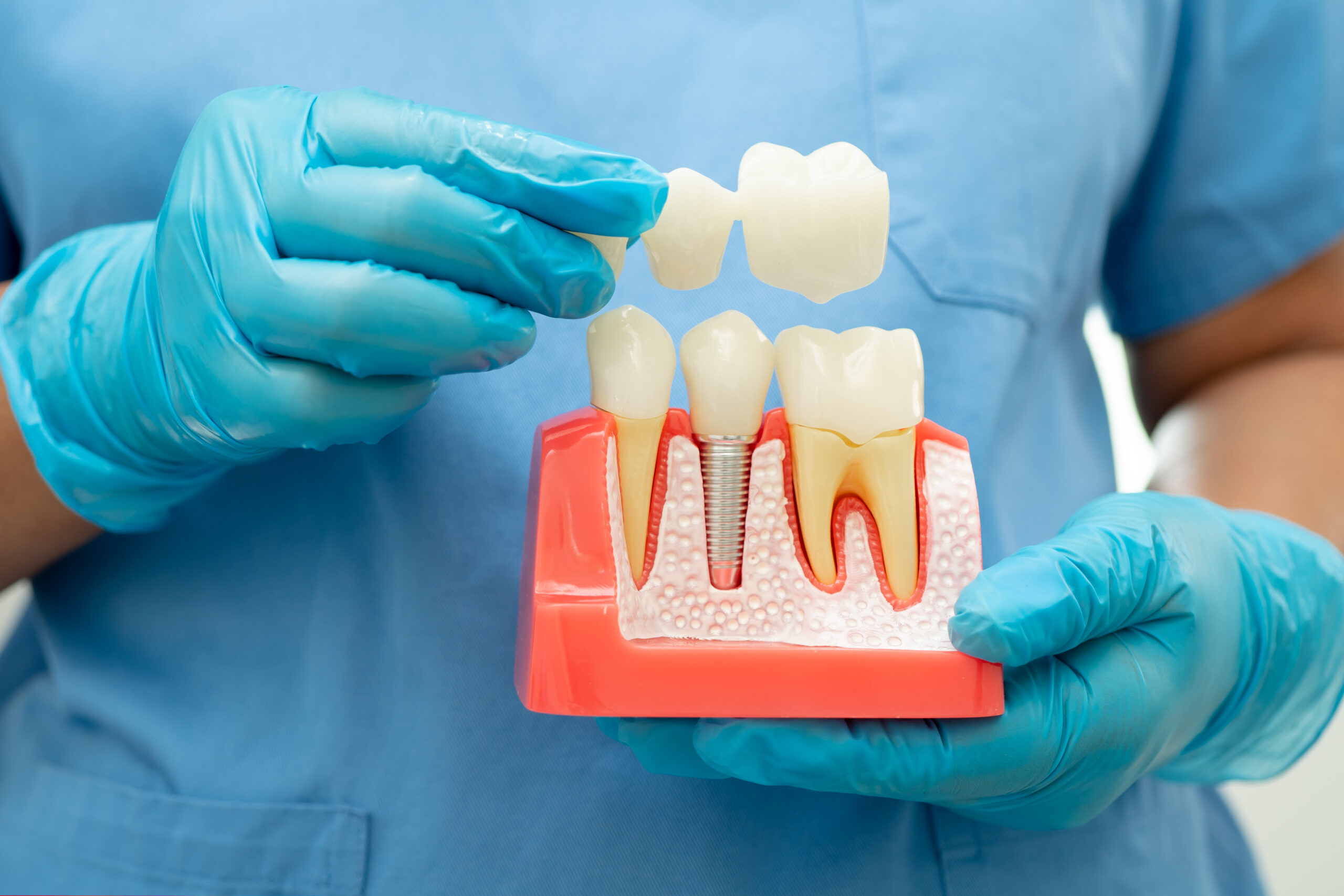
A dental implant is designed to replace the root of a missing tooth and support a custom restoration that functions similarly to a natural tooth. Because these materials are resistant to decay, implants are not vulnerable to cavities like natural teeth are.
Even though the implant itself cannot decay, patients still need to care for the surrounding gums and supporting structures. Poor oral hygiene can still lead to complications that may affect the stability and health of the implant.
The Real Risk: Gum Disease Around Dental Implants
One of the most important things patients should understand is that gum disease can still develop around dental implants. This condition is often called peri-implant disease, and it occurs when bacteria and plaque accumulate around the implant site.
Signs of Peri-Implant Problems
Symptoms may include:
- Red or swollen gums
- Bleeding while brushing or flossing
- Bad breath
- Gum tenderness
- Loose feeling around the implant
If left untreated, inflammation around the implant can damage the surrounding bone and tissue that help keep the implant stable.
This is why maintaining proper oral hygiene and scheduling regular dental visits are essential for long-term implant success. Our dental implant treatment in Austin can help patients protect their implants through personalized guidance, preventive care, and ongoing support focused on healthy gums and long-lasting oral wellness. By monitoring implant health and educating patients on proper daily care habits, we help reduce the risk of complications and support stronger, healthier smiles for years to come.
How to Protect Your Dental Implants
Although dental implants are resistant to cavities, they still require daily care. Healthy habits help protect the gums, surrounding teeth, and implant structure.
Brush and Floss Every Day
Plaque and bacteria can still collect around implants just as they do around natural teeth. Brushing twice daily and flossing carefully around the implant area can help reduce buildup and inflammation.
Using proper brushing techniques and cleaning along the gumline are especially important for maintaining healthy tissues around the implant.
Avoid Smoking and Poor Oral Habits
Smoking and poor oral hygiene habits may increase the risk of gum disease and implant complications. Grinding teeth, neglecting dental cleanings, and ignoring early symptoms can also affect implant longevity.
Patients who stay proactive about their oral health are often more successful in maintaining healthy implants over time.
Can Food or Drinks Damage Dental Implants?
While cavities cannot form on implants, certain habits may still affect the condition of the surrounding teeth. Hard foods, excessive pressure, or poor oral hygiene may contribute to wear or inflammation around the implant area.
Why Preventive Care Still Matters
Dental implants are designed to be long-lasting, but their success depends heavily on the health of the surrounding tissues. Routine evaluations and preventive care help identify potential concerns before they become more serious.
Dental implant treatment can help patients monitor implant health, maintain healthy gums, and receive guidance on proper oral hygiene routines that support long-term oral wellness.
Are Dental Implants Easier to Maintain Than Natural Teeth?
Dental implants do not require cavity fillings or decay treatment, but they should still be treated with the same level of care as natural teeth. Many patients mistakenly assume implants do not require regular attention because they cannot decay.
In reality, healthy gums and proper maintenance are essential for protecting the implant and surrounding oral structures. Consistent oral care routines, healthy habits, and preventive dental visits all play an important role in preserving implant health.
Protect Your Smile and Keep Your Dental Implants Healthy for Years
Dental implants may not get cavities, but they still depend on healthy gums and proper oral care for long-term success. Understanding how to care for implants can help reduce the risk of inflammation, gum disease, and other complications that may affect your oral health over time.
At Legend Dental & Orthodontics, our dentists are committed to helping patients maintain healthier smiles through patient-focused education, preventive care, and professional dental treatment in Austin. We believe informed patients make confident decisions about their oral health, and our team is dedicated to supporting long-term smile wellness with compassionate, high-quality care. Schedule an appointment today to take the next step toward protecting your smile and maintaining healthy dental implants for years to come.